Plenary Speakers
We have lined up an amazing group of plenary speakers for IC24. They cover a wide range of topics in inorganic chemistry. We are sure there is something for every participant to enjoy! The plenary lectures are complemented by presentations of invited speakers – check them out below.
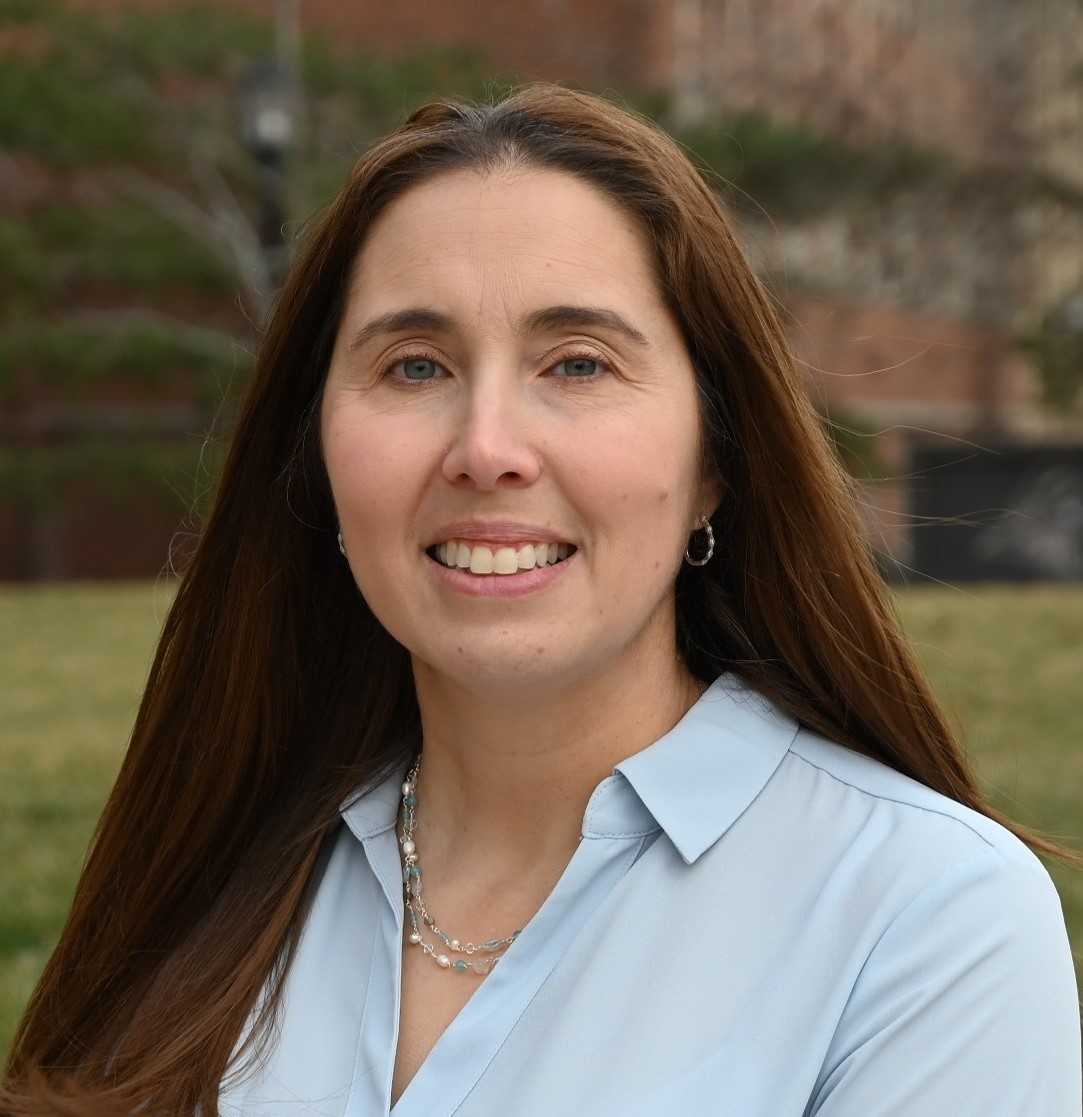
Suzanne Bart
(Purdue University)
Suzanne C. Bart earned her Ph.D. from Cornell University with Prof. Paul J. Chirik (2006). In 2018, she was promoted to professor at Purdue University. Her research interests include organometallic transformations mediated by organoactinide species, coordination chemistry of f-block elements, and elucidating electronic structures of metal complexes. Suzanne has been the recipient of many awards, most recently the F. Albert Cotton Award in Synthetic Inorganic Chemistry.
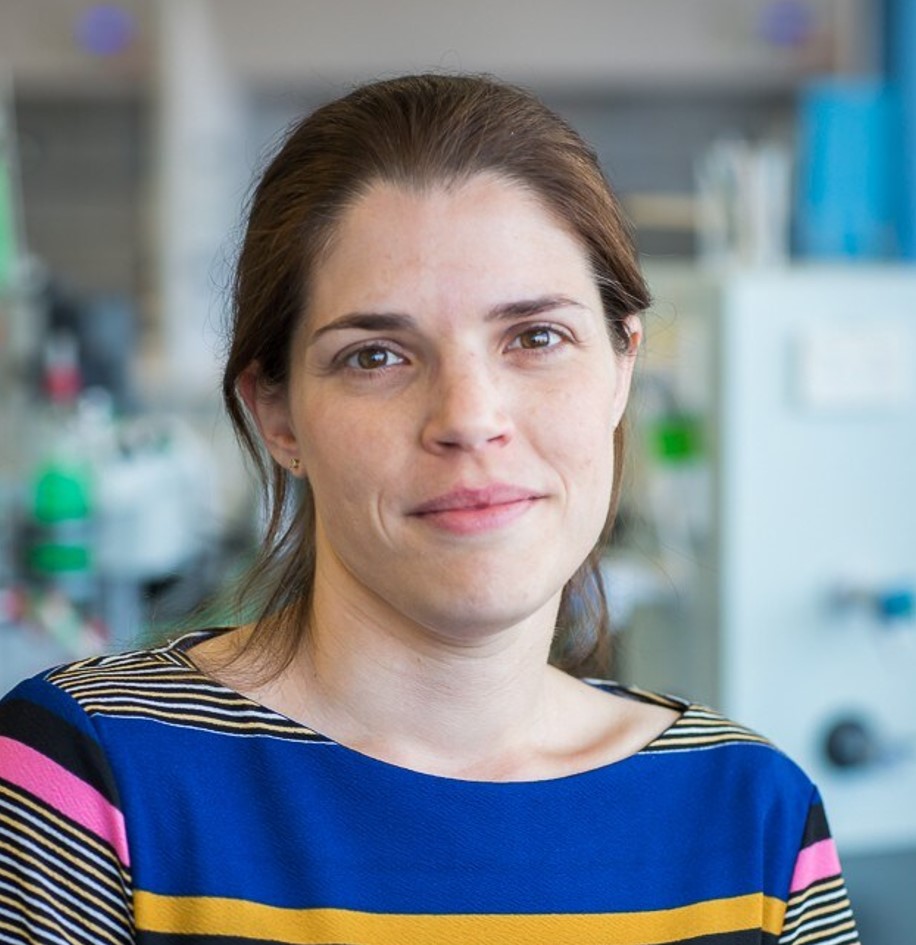
Deanna D’Alessandro
(University of Sydney)
Deanna D’Alessandro is a Professor of Chemistry and the Director of the Net Zero Initiative at the University of Sydney. After a PhD at James Cook University and postdoctoral positions at the University of Sydney and California, Berkeley, Deanna returned to the University of Sydney in 2010 as a Sydney University Postdoctoral Fellow, before starting to build her own research group in 2011 with the support of an Australian Research Council (ARC) QEII Fellowship. She is recognised internationally for the quality and impact of research in fundamental aspects of electron transfer and MOFs. Recently, her group’s research has been awarded the Royal Society of Chemistry’s Australasian Lectureship (2023) and the Australian Academy of Science’s 2017 Le Févre Medal.
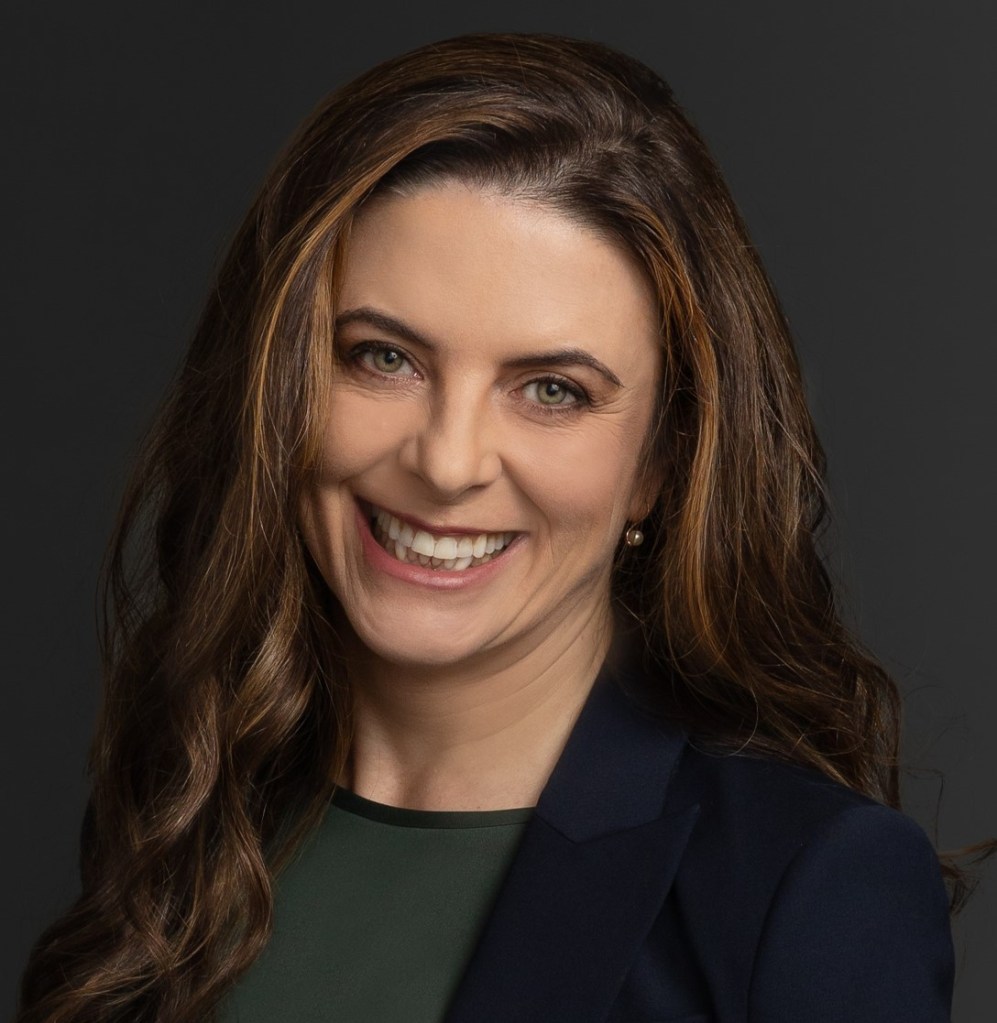
Bronwyn Fox
(UNSW)
Bronwyn Fox has recently commenced a new position as Deputy Vice Chancellor (Research and Enterprise) at UNSW. Previously she was Chief Scientist at CSIRO and Deputy Vice Chancellor (Research and Enterprise) at Swinburne University of Technology. She is known globally as a leader in advanced manufacturing, materials science, and industry 4.0 technologies, and is passionate about bringing together multidisciplinary teams for collaborative research. She is a Fellow of the Academy of Technology and Engineering (ATSE), a Fellow of the Royal Australian Chemical Institute, a Fellow of Engineers Australia and a Graduate of the Australian Institute of Company Directors. In 2020, she was awarded the Royal Society of Victoria Medal for Excellence in Scientific Research.
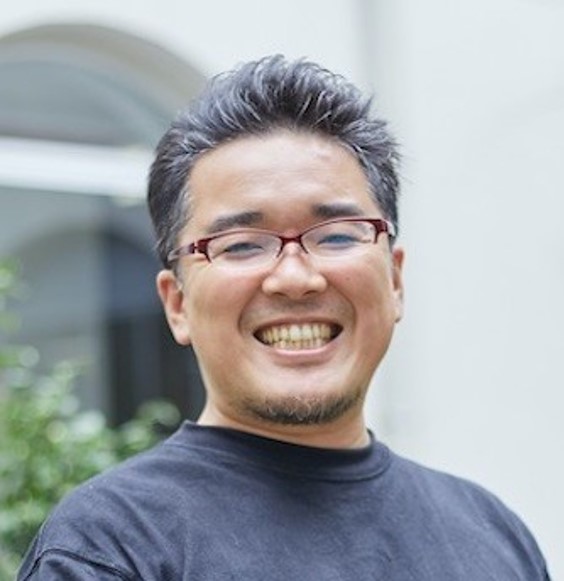
Shuhei Furukawa
(Kyoto University)
Shuhei Furukawa received his Ph.D. in chemistry from Kyoto University (Japan) in 2005 under the supervision of Prof. Susumu Kitagawa. He was promoted to full professor at the Institute for Integrated Cell-Material Sciences (iCeMS), Kyoto University, in 2020. His main interest is particularly the synthesis and properties of porous materials, controlling their structures and chemical diversity over multiple length scales, and their applications in environmental and biological applications.
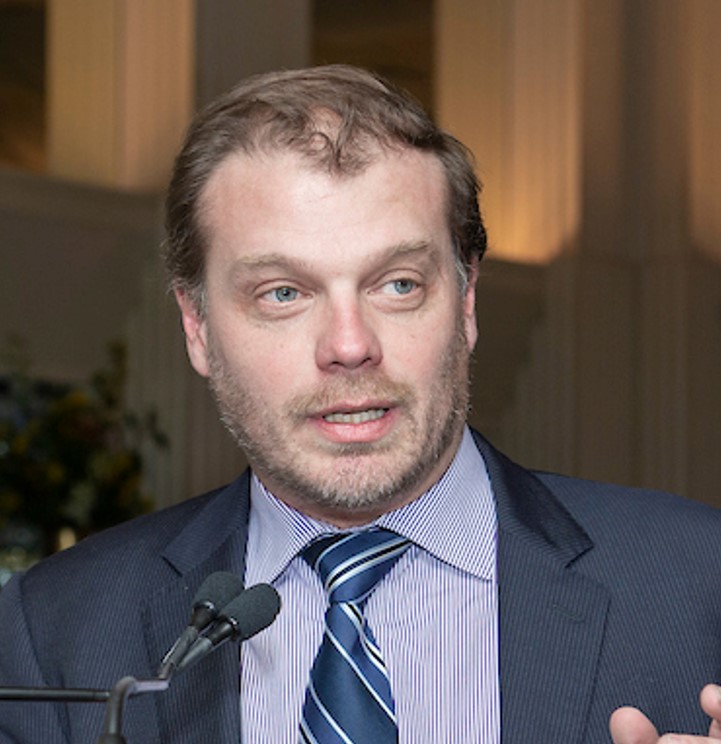
Nathan Gianneschi
(Northwestern University)
Nathan C. Gianneschi received his B.Sc(Hons) at the University of Adelaide, Australia in 1999 and his PhD at Northwestern University in 2005. Following a postdoctoral fellowship at The Scripps Research Institute, in 2008 he began his career at the University of California, San Diego. In July of 2017, Gianneschi moved his multidisciplinary research group to Northwestern University where he is currently Jacob & Rosaline Cohn Professor of Chemistry, Materials Science & Engineering, Biomedical Engineering and Pharmacology. The Gianneschi group takes an interdisciplinary approach to nanomaterials research with a focus on multifunctional materials with interests that include biomedical applications, programmed interactions with biomolecules and cells, and basic research into nanoscale materials design, synthesis and characterization.
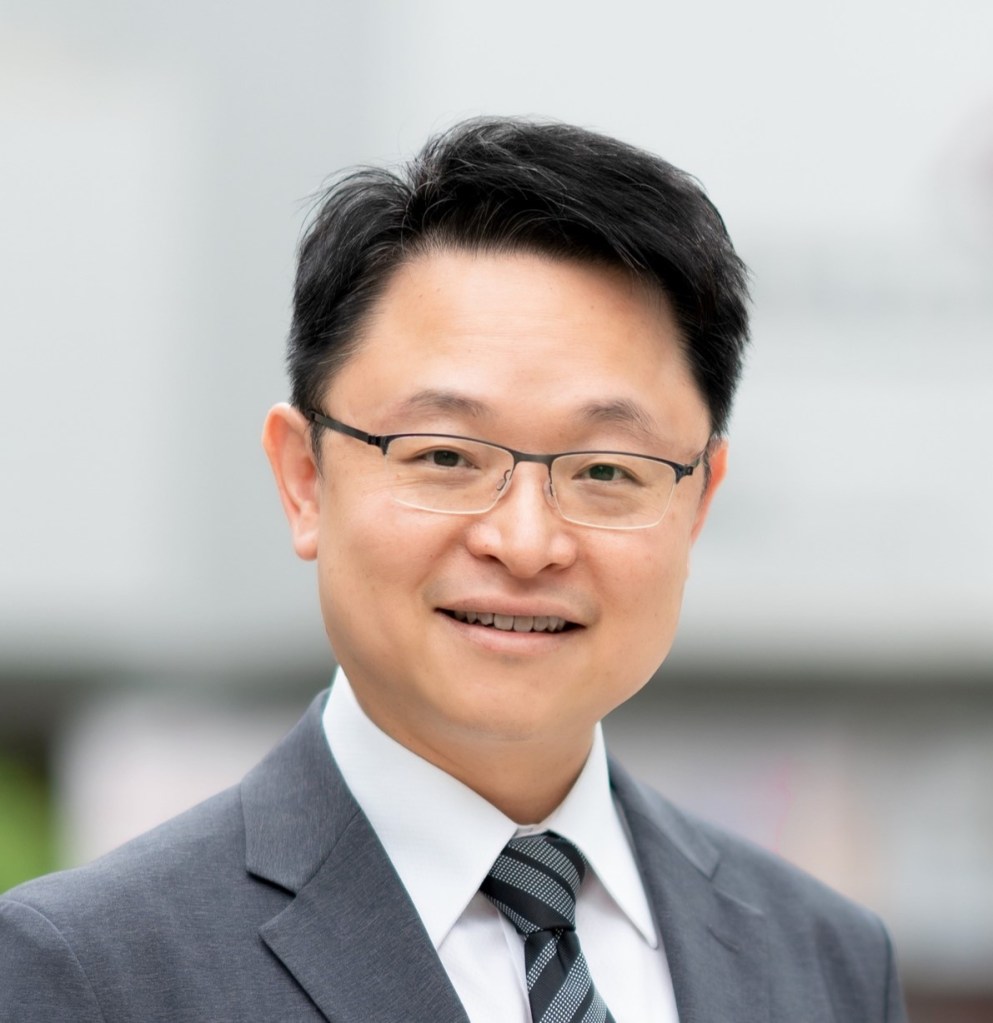
Ken Lo
(Hong Kong City University)
Kenneth Kam-Wing Lo obtained his PhD degree at The University of Hong Kong and worked as a Croucher Foundation Postdoctoral Research Fellow in the Inorganic Chemistry Laboratory of the University of Oxford. He has been a Chair Professor at the Department of Biology and Chemistry of City University of Hong Kong since 2023. He received The APA Prize for Young Scientist from The Asian and Oceanian Photochemistry Association in 2005 and The Distinguished Lectureship Award from The Chemical Society of Japan in 2011. He was awarded a Croucher Senior Research Fellowship in 2015 and was admitted as a Fellow of the Royal Society of Chemistry in 2018. His research interest is the utilization of luminescent inorganic and organometallic transition metal complexes as biomolecular probes, cellular imaging reagents, and photocytotoxic agents.
Burrows Award Plenary:
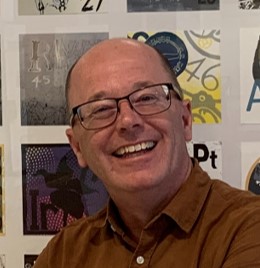
Paul Low
(University of Western Australia)
Paul Low’s research interests in organometallic chemistry and bridge-mediated electron transfer were inspired by his PhD studies with Michael Bruce, with Allan White (UWA), Stephen Best (Melbourne), Graham Heath (ANU) and Jean-Francois Halet (Rennes) being other key figures in developing these ideas. A postdoctoral position with Arthur Carty at the Canadian National Research Council was followed by appointment to the academic staff in the Department of Chemistry at Durham University, UK (1999 Lecturer, 2006 Reader, 2010 Professor).
The time at Durham allowed Paul to engage with the dynamic molecular electronics and inorganic chemistry community across the UK and Europe, developing the collaborations, concepts and friendships that have been pivotal to his work in both molecular electronics and mixed-valence chemistry. In 2013, Paul was awarded an ARC Future Fellowship, and appointed to a Chair in Chemistry at the University of Western Australia, allowing him to pursue his career in the Australian community. He was awarded a Fredrich Wilhelm Bessel research award by the Alexander von Humboldt Foundation in 2016, and the RACI H.G. Smith Memorial Medal in 2020.
Invited Speakers
Matthew Allen, University of Oxford
Stephanie Bird, ANSTO
Vicki Blair, Monash University
Sally Brooker, University of Otago
Liam Burt, University of Bern
Nick Chilton, Australian National University
Patrick Doheny, University of Birmingham
Rebekah Duffin, Monash University
Jack Evans, University of Adelaide
Rosalyn Falconer, University of Auckland
Kate Flint, University of Adelaide
Felipe Garcia, Monash University
Marcus Giansiracusa, University of Melbourne
Ivan Greguric, ANSTO
Zhifang Guo, James Cook University
Matthew Gyton, University of Wollongong
Mark Hackett, Curtin University
Muhammad Hanif, University of Auckland
Lyall Hanton, University of Otago
David Harding, Suranaree University of Technology
Phimphaka Harding, Suranaree University of Technology
James Hester, ANSTO
Leila Hill, University of Sydney
Rosalie Hocking, Swinburne University of Technology
Simon James, ANSTO
Marcus Korb, University of Western Australia
Anwen Krause-Heur, ANSTO
Jamie Lewis, University of Birmingham
Lisa Martin, Monash University
Richard Mole, ANSTO
Partha Sarathi Mukherjee, Indian Institute of Science
Masnun Naher, University of Queensland
David Parker, Durham University & Hong Kong Baptist University
Sally Plush, University of South Australia
Stacey Rudd, University of Melbourne
Andre Schaefer, Saarland University
Angus Shephard, École Polytechnique
Matthew Sullivan, University of Auckland
Scott Sulway, University of New South Wales
Martin Van Koeverden, University of Melbourne
Jessica Veliscek-Carolan, ANSTO
 IC'24
IC'24 